Office Clearance in Vauxhall

Our office clearance in Vauxhall is arranged for businesses that need desks, chairs, storage, electrical items and general workplace contents removed in an organised way. We handle the practical side of clearing rooms, floors and shared work areas so the space can be handed back, refreshed or reconfigured with less disruption. The service is suitable for single rooms, multi-floor offices and wider commercial spaces where items have built up over time.
If you are planning a move, refurbishing a suite or dealing with surplus furniture, we can remove mixed office items in a way that keeps the process straightforward. We separate salvageable items from material for disposal where this is appropriate, and we work around access arrangements so collections can be planned sensibly. Our aim is a clear, orderly removal process rather than a rushed one, especially when there are corridors, lifts or shared entrances to manage.
Use the pages below to explore related services, pricing information and company details, then request a quotation when you are ready. If you already know the type of clearance you need, a brief summary of the items and access is usually enough to begin.
Workplace clearance for offices of different sizes
Office clearance is rarely just about taking away old furniture. Many jobs involve a mixture of desks, meeting tables, shelving, filing cabinets, monitors, kitchen items and archived materials that need removing in a sensible sequence. For that reason, we treat the clear-out as a planned job rather than a simple load-and-go collection. Where item removal needs to be coordinated with building management or other occupants, the work can be scheduled so access stays manageable and the workplace remains safer for staff and visitors.
In many offices there are also items that need a little more care than standard bulky waste. Computers, printers, telecoms equipment and data-bearing devices should be identified before removal so they can be handled appropriately. That may mean separating them from general furniture, keeping certain pieces aside for a decision, or ensuring items are not mixed with waste that is meant for disposal. The exact approach depends on what is on site and how the business wants the clear-out handled.
We also understand that some clearances are partial rather than complete. You may only need one department cleared, a storage room emptied or surplus furniture taken away after a restructuring. In those situations, the job can be organised around the pieces that matter most. If you want to compare options first, you can review pricing and quotes before sending the details of your office clearance.
Furniture, fixtures and what usually needs to go

Most office clearances involve several item groups at once, and it helps to identify them early. Typical contents may include desks, pedestal drawers, task chairs, visitor seating, cupboards, lockers, tables and reception furniture. Some premises also have wall shelving, noticeboards, partitions or fitted items that need to be removed carefully. By grouping items in advance, we can plan the order in which areas are cleared and avoid unnecessary handling.
There are often practical differences between furniture that can be moved whole and items that need dismantling first. Large desks, fitted storage and bulky meeting tables may need to be separated into safer sections before removal, while lighter items can usually be carried more directly. The same is true where corridors are narrow or stair access is involved. Clear access notes help determine what can be removed efficiently and whether any piece needs to be broken down before collection.
If your workspace also includes domestic-style contents, archive boxes or mixed building leftovers from a fit-out, those can usually be discussed as part of the same enquiry. When you are ready to outline the contents, the most useful next step is often to contact us with a simple item summary and any access notes. That gives a clearer basis for planning the office clearance and keeps the discussion focused on the actual work required.
Waste handling, sorting and responsible disposal
Office clearance usually produces different material streams, and not everything should be treated the same way. Wood, metal, mixed plastics, upholstered items and electrical equipment all require sensible sorting so the load can be managed properly. Where items are still usable or suitable for another purpose, they may be kept separate from general waste. Where they are beyond use, they are taken into the disposal route that best matches the material type and the condition of the goods.
This is particularly important when a clearance includes furniture with mixed components or items that contain wiring, batteries or screens. Those pieces should not simply be bundled together with ordinary rubbish. Careful separation helps reduce handling problems and keeps the job more organised from start to finish. It also makes it easier to keep track of what has been removed, which can matter when a business needs a tidy record of what left the premises.
For companies wanting to understand broader working practices, the site also includes a recycling and sustainability page. That can be useful if you want to see how different materials are considered alongside the practical office clearance work and how mixed commercial contents are approached.
Access, timing and how to prepare a practical enquiry
Before a clearance begins, it helps to set out a few practical details. The most useful information usually includes what floor the items are on, whether there is lift access, whether parking or loading space is available, and whether anything must be removed at a specific time to fit around other building users. A short list of the main items, or a quick room-by-room note, is often enough to start the planning process without overcomplicating it.
Photographs can also be helpful when the office contains bulky furniture or tightly packed rooms, because they give a better sense of volume and access. If there are items you are unsure about, such as broken office chairs, old IT equipment or mixed storage contents, it is better to mention them rather than leave them out. That allows the clearance to be planned more accurately and reduces the chance of surprises on the day.
For businesses comparing types of commercial removal, the related business waste removal page may also be useful. It gives another way to think about recurring waste streams and larger workplace clearances where items may be removed alongside regular commercial waste.
About Vauxhall

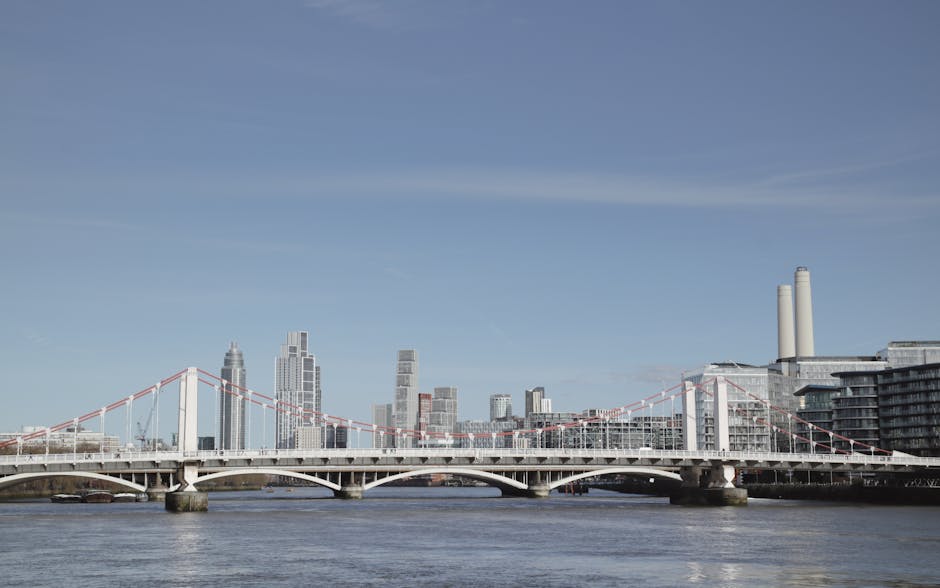
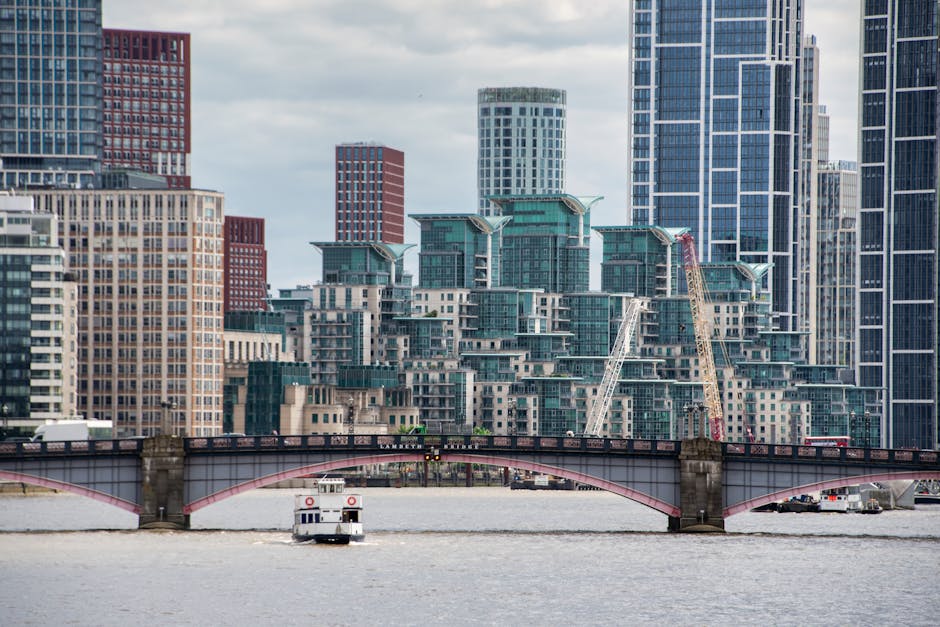
Vauxhall is an inner south-west London district on the south bank of the River Thames, positioned within the London Borough of Lambeth. The name is closely associated with the former manor of Fox Hall, and the area later developed through riverside industry, transport links and large-scale urban change. Today it sits between Westminster to the north across the river, Lambeth to the east and south, and Nine Elms and Kennington nearby, giving it a distinctly central London setting with strong connections in several directions. Vauxhall station, served by National Rail and the Victoria line, is one of the area’s best-known transport landmarks, while the surrounding streets combine newer development with older surviving fragments of the district’s past. The riverside frontage has long been significant, and parts of it have been reshaped by regeneration, including office buildings, residential towers and improved public spaces. Vauxhall Park provides a quieter green contrast within the urban setting, and the area is also known for the Vauxhall Pleasure Gardens legacy, which reflects its historic role as a place of entertainment and gathering. Nearby landmarks include the London Fire Brigade headquarters and the distinctive curves of the MI6 building farther west along the riverfront. The district has a layered character: transport corridors, cultural venues, residential streets and offices stand alongside traces of its industrial and social history. That combination makes Vauxhall both highly connected and visually varied, with a streetscape that has changed repeatedly while still retaining a recognisable local identity.
Office equipment and specialist items
Some office clearances include items that need extra attention because they are heavier, more awkward or more sensitive than standard furniture. Filing cabinets may need to be emptied before removal, cabinets might be secured or dismantled, and larger pieces of storage can require more than one person to move safely. When office layouts include conference equipment, presentation screens or older electronics, it is useful to identify those items separately so they are not handled as if they were ordinary furniture.
If there are records, archived papers or boxed files on site, those should also be considered carefully. Businesses often prefer such materials to be kept distinct from general waste until decisions have been made about retention, destruction or disposal. We can work around those needs by clearing in stages where appropriate, which is often helpful when an office has mixed contents across several rooms. A staged approach also suits firms that are still operating while the clearance is taking place.
When the job involves a full suite or a complete floor, it can help to start with the office clearance page again as the main reference point and then use the other pages to narrow down what needs to be removed. That gives you a simple way to organise the enquiry around the exact rooms and item types involved.
Planning around relocation or refurbishment

Office clearance is often part of a wider change such as relocation, redecoration or reconfiguration. In those cases, the removal work may need to happen in a particular order so that items no longer needed are taken first and anything staying on site remains protected. This can include clearing meeting rooms before open-plan desks, or removing redundant storage before new furniture arrives. A sensible sequence matters because it reduces congestion and helps the rest of the project move more smoothly.
Some businesses also use clearance as a way to reset a workspace after years of accumulated materials. That might involve old display units, unused chairs, broken accessories or surplus items that have simply remained in cupboards and corners. While the job can feel similar to a general tidy, the actual work is more structured: items have to be identified, grouped and removed so the area is genuinely ready for the next stage. In practical terms, that means the clearance should support the wider plans rather than disrupt them.
If you are weighing office clearance against a broader property emptying, the flat clearance and home clearance pages show other forms of removal work available through the same website. They may be useful if the enquiry includes mixed premises or if you need to compare different kinds of clearance before deciding how to proceed.
What affects the quotation
Pricing for an office clearance usually depends on a combination of volume, item type, access and the amount of labour involved. A room full of lightweight chairs is not the same as a floor containing heavy storage units, dismantled desks and several pieces of electrical equipment. Likewise, a ground-floor office with easy loading is generally simpler to organise than a space reached by stairs, long corridors or restricted parking. These practical differences are why a clear description of the site matters more than a vague item count.
It is also useful to consider whether the job is a one-off clearance or part of an ongoing pattern of removals. A single scheduled visit can be planned around a fixed set of contents, while a phased clearance may need a different structure if the office remains in use during the process. The quotation should reflect the real scope of the work, so the better the information provided, the more straightforward it is to match the service to the job. You do not need a perfect inventory; just enough detail to show what is there and how it is accessed.
For straightforward next steps, a short note with the main items, room count and timing requirement is usually enough. You can then ask for a quotation once the essentials are outlined, and the office clearance can be planned against the actual needs of the premises.
Commercial clearance choices for different premises

Although office clearance is the main service here, many workplaces have neighbouring needs that sit beside the core removal job. A storage room may be treated like a garage clearance in terms of bulky contents, while a back room or archive loft can feel closer to loft clearance work because the access is tighter and the contents are often mixed. The point is not to force the job into another category, but to recognise that different rooms may need different handling within the same overall clearance.
There are also related pages for other practical removal tasks, including furniture clearance, furniture disposal and waste removal. These can help if you need to separate a straightforward furniture-only job from a broader workplace clearance with mixed contents. If the office has recently had contractors on site, the builders waste clearance page may also be relevant where leftover material is part of the same project.
When you are ready to move from planning to action, keep the enquiry concise and practical. A brief description of the rooms, contents and access is usually enough to start. If the job is time-sensitive, say so in the message, and if it is not, simply note the period you want the clearance completed in. Contact us to arrange the next step.